
A former Google executive just lit a match under higher education. He says advanced degrees in law and medicine may already be outdated. That is a bold claim, and it has people talking.
Jad Tarifi, who founded Google’s first generative AI team and now runs Integral AI, believes artificial intelligence is moving faster than universities can adapt. He argues that by the time students finish multi-year programs, the skills they learned may no longer matter. That idea feels extreme, yet it reflects how fast technology keeps shifting.
AI Is Outpacing Traditional Degrees
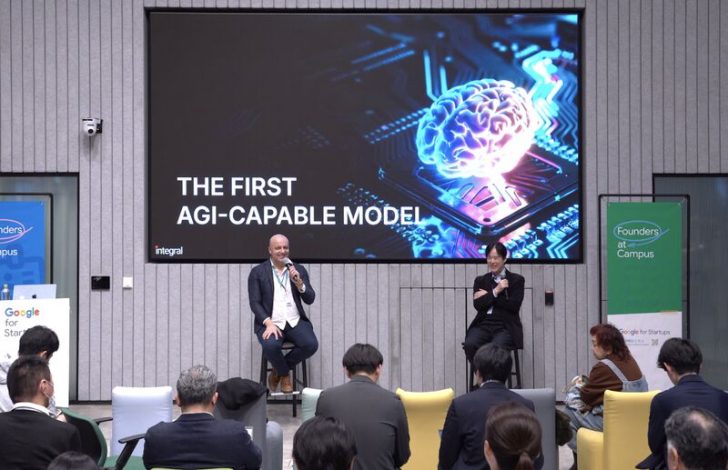
GTN / Tarifi earned a PhD in AI in 2012, so he knows the system from the inside.
In an interview with Business Insider, he said AI itself may look completely different by the time someone finishes a doctorate. He believes even complex areas like robotics could be largely solved by then.
His argument focuses on timing. Law and medicine require years of study, heavy debt, and long training periods. If AI tools can diagnose diseases or draft legal briefs with high accuracy, students risk spending years mastering tasks that machines will soon handle faster and cheaper.
The ex-Google exec criticized medical education in particular. He said much of it still relies on memorization and outdated frameworks. In a world where AI systems can instantly access and analyze massive data sets, memorizing facts may not offer the edge it once did.
The legal field faces similar pressure. AI tools already review contracts, scan case law, and predict outcomes with growing precision. When machines can process millions of documents in seconds, junior lawyers who once handled that work could see fewer opportunities.
Tech Leaders Are Not Defending College
Tarifi is not alone in his concerns. Mark Zuckerberg has questioned whether college prepares students for today’s jobs. He has pointed to rising tuition costs and heavy student debt as major problems.
Sam Altman, CEO of OpenAI, added more fuel to the debate. He said GPT-5 feels like talking to a PhD-level expert on almost any topic. That kind of statement shakes confidence in the long-term value of traditional credentials.
When powerful AI systems can explain complex medical research or summarize court rulings in plain language, the value of years spent in classrooms comes under scrutiny. Students start asking hard questions about return on investment. Parents begin to wonder if the old path still makes sense.
Still, many educators insist a degree offers something deeper than information transfer. It cultivates discernment. It tests moral reasoning. It places students in situations where decisions carry weight. Doctors interpret nuance; lawyers navigate gray areas. Neither role can be reduced to memorization.
Human Skills May Become the Real Advantage
San / Pexels / Tarifi maintains that emotional literacy, self-direction, and authentic connection will define the next era of opportunity.
Tarifi’s message to students is straightforward: strengthen the human side. Learn how to understand yourself. Practice forming real bonds with others. Software can analyze patterns at extraordinary speed, but it does not build relationships.
The idea may sound philosophical, yet the labor market is already reflecting it. Employers consistently rank communication, flexibility, and creative thinking near the top of desired skills. As machines streamline routine functions, the interpersonal layer grows more valuable.
Meanwhile, demand for advanced AI talent has not cooled. Data from MIT shows that nearly 70% of AI PhD graduates in 2023 moved directly into industry roles, compared with roughly 20% two decades prior.
Tech companies compete aggressively for top AI talent. Reports suggest some firms offer massive compensation packages to lure researchers away from universities. This has raised concerns about brain drain in academia.
Henry Hoffmann, chair of the University of Chicago’s computer science department, shared a striking example. A student with no professional experience left his PhD program for a high six-figure offer from ByteDance. Hoffmann said that when students can get the job they want while still studying, there is little reason to force them to continue.