America is used to loud presidents. It is not used to presidents who say the quiet part out loud. When President Donald Trump waved off international law and said his own judgment was the only real limit on his actions, the reaction was instant.
This was not a policy paper or a leaked memo. It was a blunt statement of belief. Power, in Trump’s view, flows from will, not from treaties. That idea is old, dangerous, and very familiar to the rest of the world.
Trump’s Views on International Law
According to reporting by The New York Times, Trump said his “own morality” and mindset were what restrained him, not international law. “Yeah, there is one thing that can stop me,” the President told the outlet. “My own morality and my own mind.” He added that he was not looking to hurt people, but made clear he did not feel bound by global legal rules.
The supremo said the United States follows the law of nations, then quickly narrowed that claim by saying it depends on how one defines international law.
That kind of answer rattles people for a reason. International law is supposed to be boring. It works best when leaders barely mention it. Once a president treats it as optional, the guardrails start to look flimsy. For a country with unmatched military reach, that shift matters fast.
Power Plays Without Apology
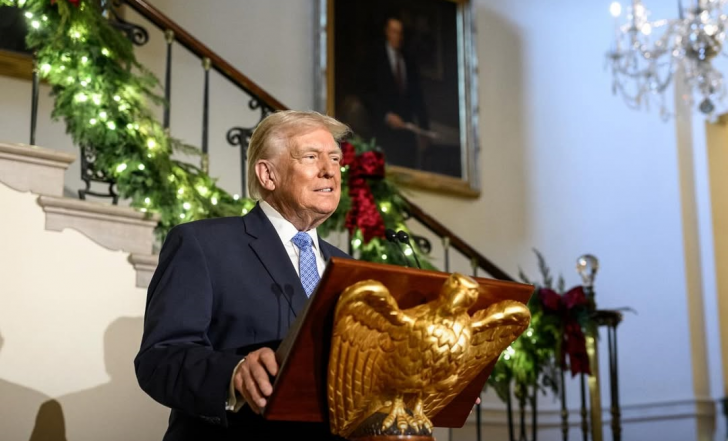
Trump / IG / One of the most dramatic claims involved a U.S. raid in Caracas that led to the capture of Venezuelan leader Nicolás Maduro and his wife on drug charges.
Afterward, Trump reportedly said the U.S. would run Venezuela and even posted online, calling himself its acting president, citing American oil interests.
Whether real, exaggerated, or symbolic, the message landed the same way. The United States, under Trump, would act first and justify later. Reports also tied his remarks to military strikes or operations in places like Yemen, Syria, Somalia, Nigeria, Iraq, and Iran, all early in a hypothetical second term.
Trump also revived his interest in buying Greenland from Denmark. He said ownership was psychologically important for success. That explanation felt less like diplomacy and more like real estate logic. To many observers, it showed how personal instinct had replaced shared rules as the driver of foreign policy.
Warnings of a New Imperial Mood
Legal experts reacted with alarm. A United Nations special rapporteur warned that dismissing international law is extremely dangerous and said the world could be sliding back into an age of imperialism. That phrase carries weight. It recalls a time when strong nations took what they wanted and dared others to stop them.
Historians quickly pointed to U.S. interventions in Latin America. Those actions were often sold as necessary and temporary. Many ended in chaos, resentment, and long-term harm. Critics fear Trump’s words signal a return to that mindset, where dominance matters more than stability and consent.
There is also the global ripple effect. When the United States shrugs at international rules, other powers take note. China and Russia do not need much encouragement to justify their own territorial or military ambitions.
Political Heat and Public Pushback
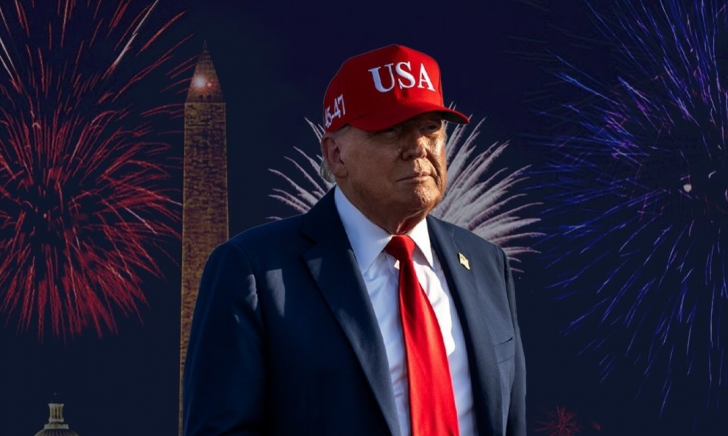
Trump / IG / Actor and activist Mark Ruffalo summed up a common fear when he said that relying on Trump’s morality should worry everyone.
For critics, the concern is not just Trump himself. It is the precedent. If one president can openly discard global norms, the next might push even further. Over time, that erodes trust, alliances, and the quiet cooperation that keeps conflicts from spiraling.
Inside the administration, this posture was framed as intentional. Trump’s deputy chief of staff, Stephen Mille,r described a strategy rooted in strength, force, and power. The message was clear. America would act unapologetically to secure its interests, especially in its own hemisphere.