
A phone call changed everything for one Florida resident. The caller sounded official and confident. He claimed to be a captain with the Volusia Sheriff's Office and delivered alarming news.
The caller told the victim there was an active warrant for her arrest. He insisted she could avoid being taken into custody if she paid a large sum of money right away. That demand set off a chain of events that ended with an Atlanta woman behind bars.
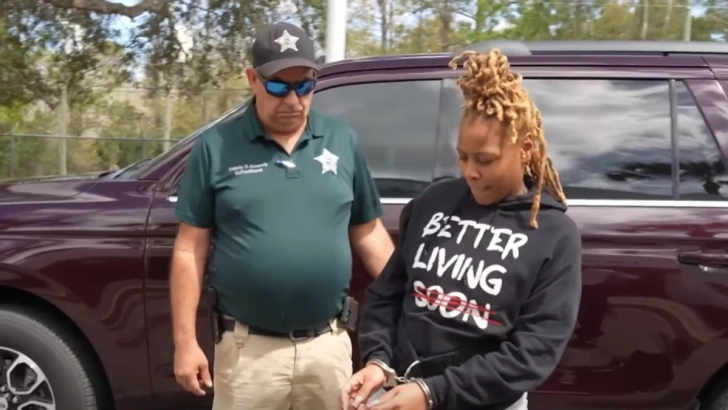
Authorities say the case centers on 28-year-old D'Zyre Youngblood of Atlanta. Investigators believe she helped receive and move money from a complex impersonation scam. The scheme drained more than $79,000 from a victim who thought she was dealing with real law enforcement.
The arrest came after weeks of tracing digital money transfers. Detectives followed a trail that ran through cryptocurrency wallets and banking systems.
The Phone Call That Sparked Panic
News 18 / The victim received a message from someone claiming to be “Captain Eric Dietrich” with the Volusia Sheriff's Office. The caller spoke with authority and created a strong sense of urgency.
He told the victim she faced arrest due to an unresolved legal issue. He warned that deputies could take her into custody if she failed to act immediately. Fear and pressure pushed the victim to follow the instructions without hesitation.
The caller gave specific directions about how to make the payments. He told the victim to withdraw cash from her bank account. He then instructed her to deposit the money using Bitcoin ATMs located in different areas.
Those transactions moved the money into cryptocurrency. The victim believed the payments would clear the warrant. Instead, the deposits became part of a larger fraud operation.
By the time the transactions were complete, more than $79,000 had disappeared. The victim later realized she had been tricked by someone posing as law enforcement. That discovery triggered an investigation by the Volusia Sheriff's Office Financial Crimes Unit.
Following the Cryptocurrency Trail
Detectives faced a challenge from the start. Cryptocurrency can move quickly between digital wallets. Scammers rely on this speed and anonymity to hide their tracks.
The Financial Crimes Unit began tracking the digital transfers in detail. Each wallet revealed another piece of the puzzle. Investigators carefully followed the funds as they shifted through multiple accounts.
Eventually, the trail pointed to a Coinbase cryptocurrency account. Authorities say that the account belonged to D'Zyre Youngblood. That discovery gave investigators their first direct connection to a suspect.
Detectives learned that some of the stolen funds had been converted into U.S. dollars. The money moved into a bank account linked to Youngblood. Records later showed purchases at retail stores and transfers through digital payment apps.
Those financial movements helped confirm the investigators’ suspicions. The money taken from the victim did not remain in cryptocurrency. It flowed into everyday spending channels tied to Youngblood.
Links to a Wider Prison Scam Network

The News / During a phone interview with investigators, Youngblood reportedly acknowledged owning a cryptocurrency account. She told detectives that acquaintances asked her to receive money through the account.
Investigators believe the scam may be part of a larger network tied to prison-based fraud operations. These schemes often start with inmates who have access to phones inside correctional facilities. The inmates contact victims while partners on the outside handle the money.
The outside accomplices receive and move funds after victims send payments. They convert cryptocurrency into cash or spend the money through bank accounts and digital apps. That process helps hide the origin of the stolen funds.
Law enforcement agencies across the region have seen similar cases. Detectives say the structure of the scam often repeats itself. A caller claims to represent a sheriff’s office, court system, or federal agency.